-
FTA/Economic Cooperation
MOTIR Takes Systematic, Measured Approach to U.S. Trade Issues
On March 20, 2026, Trade Minister Yeo Han-koo of the Ministry of Trade, Industry and Resources (MOTIR, Minister JK Kim) chaired the 55th Trade Promotion Committee in Seoul with relevant ministries in attendance. On the same day, he also led a meeting with major business groups, industry associations, and experts to launch a public-private joint task force on U.S. Section 301 matters. The meetings were convened to review U.S. tariff and non-tariff issues and coordinate a systematic response by the government and private sector. They came as uncertainty over U.S. tariff measures persists following a ruling that limited executive authority to impose tariffs under the International Emergency Economic Powers Act (IEEPA), as well as the subsequent launch of Section 301 investigations. “The U.S. Section 301 investigations into overcapacity and forced labor appear aimed primarily at restoring tariff levels under existing trade arrangements, but we cannot rule out the possibility that the United States may initiate additional Section 301 investigations on other issues. We will remain fully vigilant in our response,” Trade Minister Yeo said. “MOTIR will launch a public-private joint task force on U.S. Section 301 matters, bringing together relevant ministries, industry, and experts, and respond systematically through written submissions, public hearings, and other procedures.” Trade Minister Yeo added, “Korea has remained in close contact with the United States regarding its implementation of the non-tariff commitments set out in the Korea–U.S. Joint Fact Sheet. The two sides are also coordinating the timing of a Korea–U.S. FTA Joint Committee meeting. We will prepare thoroughly to adopt a bilateral implementation plan on non-tariff matters at the meeting and help stabilize the trade environment.” The government will continue to respond systematically to current trade issues with the United States under two guiding principles: preserving the balance of interests under the existing Korea–U.S. tariff agreement and ensuring Korea is not placed at a disadvantage relative to other major economies. It will also work to minimize uncertainty for the Korean economy and businesses. date2026-03-20
-
FTA/Economic Cooperation
Korea–China Commerce Ministers’ Meeting
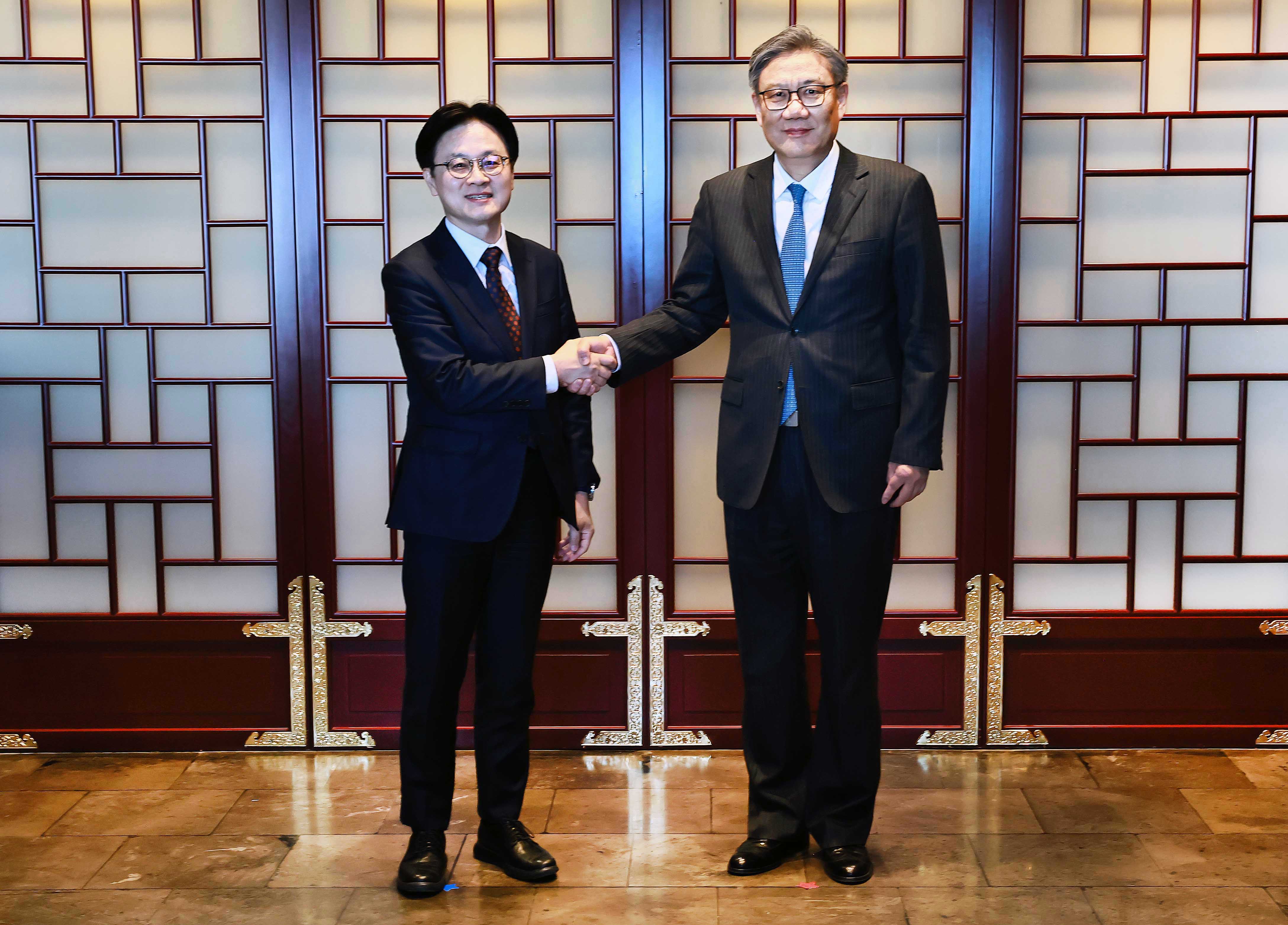
Minister JK (Jung-Kwan) Kim of the Ministry of Trade, Industry and Resources (MOTIR) held a Korea–China Commerce Ministers’ Meeting with Wang Wentao, China’s Minister of Commerce, in Beijing on March 18, 2026, with government delegations from both sides in attendance. The two ministers agreed to focus on implementing the agreements reached by the two leaders and stabilizing supply chains amid rapid shifts in the global trade environment. date2026-03-19
-
FTA/Economic Cooperation
Fifth Korea–China Industrial Ministers’ Meeting
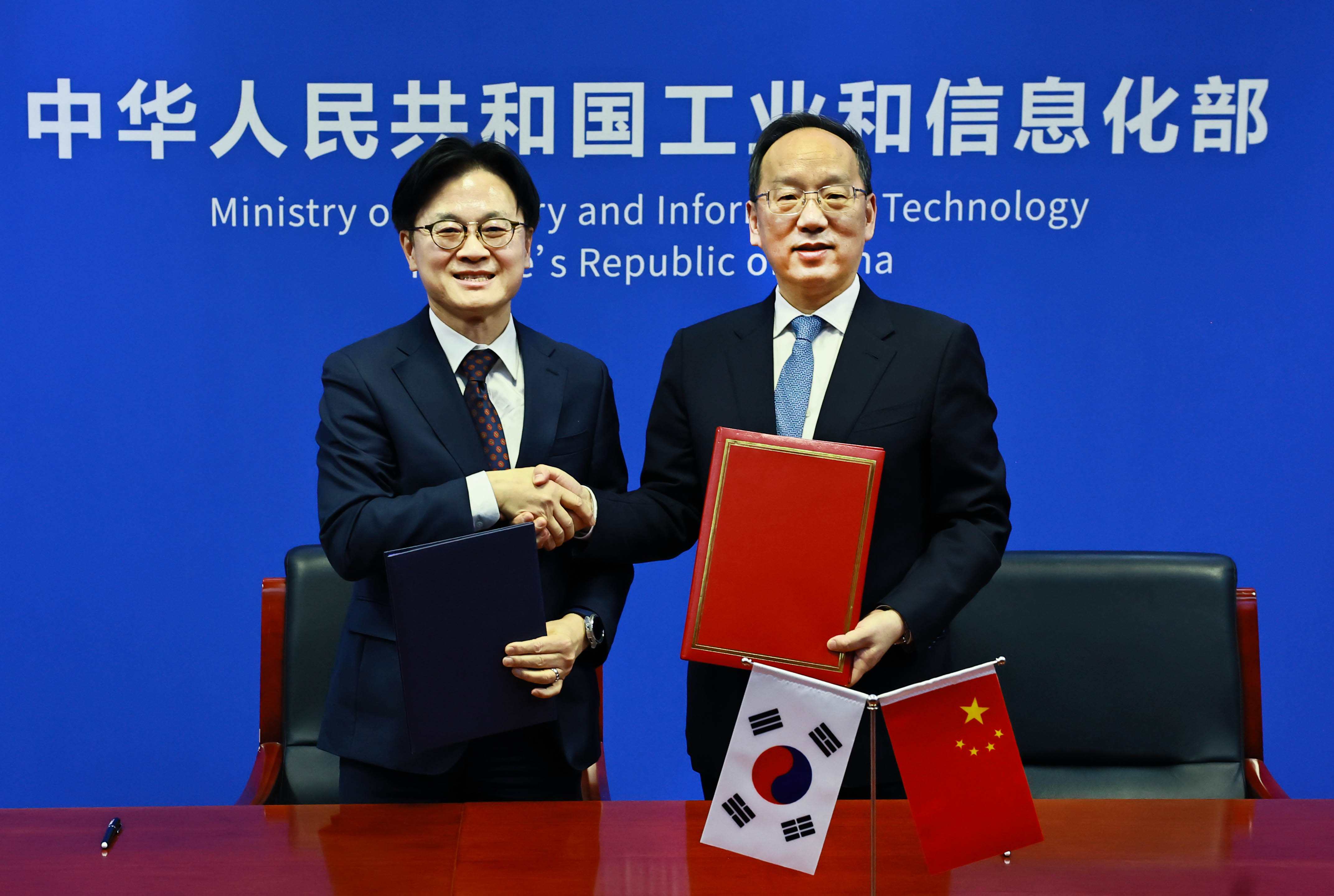
Minister JK (Jung-Kwan) Kim of the Ministry of Trade, Industry and Resources (MOTIR) held the Fifth Korea–China Industrial Ministers’ Meeting with Li Lecheng, China’s Minister of Industry and Information Technology, at the Ministry of Industry and Information Technology in Beijing on March 18, 2026. Joined by government delegations from both sides, the two ministers agreed to pursue more equal and mutually beneficial cooperation that reflects changes in the structure of bilateral industrial cooperation. Minister Kim stressed that although competition between the two countries has intensified as their industrial structures evolve, the mutual benefits of cooperation remain unchanged. He called for continued efforts to identify promising areas for cooperation and address shared challenges. date2026-03-19
-
FTA/Economic Cooperation
Korea-China Advance Summit (Jan 5) Follow-Up Through Mutually Beneficial Cooperation
Minister JK (Jung-Kwan) Kim of the Ministry of Trade, Industry and Resources (MOTIR) visited Beijing on March 18, 2026, and held successive Korea–China ministerial meetings on commerce and industry. Minister Kim first met with Wang Wentao, China’s Minister of Commerce, and agreed to focus on implementing the agreements reached by the two leaders and stabilizing supply chains amid rapid shifts in the global trade environment. In the event of logistics delays or raw material shortages, the two countries will immediately activate communication channels, including the supply chain hotline, and coordinate a joint response. For critical items such as rare earths and permanent magnets, they will use the export control dialogue and expedited and standardized licensing arrangements to improve predictability in bilateral supply chains. On trade, the two ministers discussed ways to expand bilateral cooperation into new areas, including consumer goods, by leveraging China’s drive to boost domestic demand. They agreed to increase business engagement through exchange events and trade fairs with China’s major economic provinces. The Korea–China FTA Joint Committee will be convened in the first half of 2026 to work toward practical outcomes in the services and investment negotiations. The two sides also recognized the need for effective measures to protect Korean music, films, and other intellectual property in China, including through the resumption of the intellectual property implementation committee. Minister Kim then held the fifth Korea–China Industrial Ministers’ Meeting with Li Lecheng, China’s Minister of Industry and Information Technology. It was the first Korea–China industrial ministerial meeting in four years since the virtual meeting in January 2022, and the first in-person meeting in eight years since the Seoul meeting in May 2018. Recognizing how the structure of Korea–China industrial cooperation has evolved, the two ministers agreed that future cooperation should move toward a more equal and mutually beneficial footing. They will deepen cooperation in advanced sectors such as semiconductors and batteries, while exploring new opportunities in the green transition of industry and the silver economy. The two sides also discussed ways to stabilize the tightly interconnected industrial and supply chains in the battery sector. In semiconductors, which account for 26 percent of bilateral trade, they will step up policy communication and actively support the smooth operation of Korean semiconductor plants in China. They reached a shared understanding on the need for cooperation on the green transition of industry and the silver economy in response to the shared challenges of climate change and population aging. To that end, they will exchange technologies and experience and promote cooperation between companies and research institutions. They will also share experience in building industrial supply chain data platforms as a digital foundation for the green transition of industry. Minister Kim stressed that although competition between the two countries’ industrial sectors has intensified, the mutual benefits of cooperation remain unchanged. He called for continued efforts to identify promising areas for cooperation and address shared challenges together. date2026-03-19
-
FTA/Economic Cooperation
MOTIR, Pennsylvania Join Forces to Keep MASGA Project on Track
Park Dong-il, Deputy Minister of the Office of Industrial Policy at the Ministry of Trade, Industry and Resources (MOTIR, Minister JK Kim), met with Rick Siger, Secretary of the Pennsylvania Department of Community and Economic Development in Seoul on March 18, 2026, to discuss bilateral industrial cooperation, including shipbuilding. Pennsylvania is home to Hanwha Philly Shipyard, the first U.S. shipyard acquired by Hanwha Ocean, one of Korea’s leading shipbuilders. Against that backdrop, Secretary Siger’s visit focused on ways to move shipbuilding cooperation forward, including steps to promote investment in the U.S. shipbuilding industry. Hanwha Ocean and its partners acquired Philly Shipyard from Norway’s Aker in December 2024. The shipyard is now building training vessels and medium-sized tankers, and Hanwha Ocean plans to expand the site and add automation equipment to raise annual production capacity from about 1.5 vessels to more than 10. Deputy Minister Park said Korean shipbuilders are reviewing a range of projects under the “Make American Shipbuilding Great Again (MASGA)” initiative to expand U.S. shipbuilding capacity, train workers, and strengthen supply chains. He stressed that effective support from the Pennsylvania state government will be essential to enabling Hanwha Philly Shipyard to play a leading role. He asked the state to expedite permits for the expansion project and build out infrastructure in advance to meet rising transport and electricity demand. He also called for the Philly area to be designated a Maritime Prosperity Zone (MPZ) under the U.S. Maritime Action Plan (MAP) announced in February, and underscored the need for U.S. government incentives given high labor costs in the United States. Deputy Minister Park also proposed cooperation tied to the Korean government’s export support programs for shipbuilding equipment and to the Korea–U.S. Shipbuilding Cooperation Center, which is set to open in 2026. He added that he hopes to expand cooperation with Pennsylvania’s leading universities and research institutes in a range of areas, including industrial AI transformation. MOTIR will continue working with the U.S. government to help create favorable investment conditions for Korean companies so that the MASGA project delivers mutually beneficial outcomes for both countries. date2026-03-18
-
FTA/Economic Cooperation
Indo-Pacific Energy Security Ministerial and Business Forum
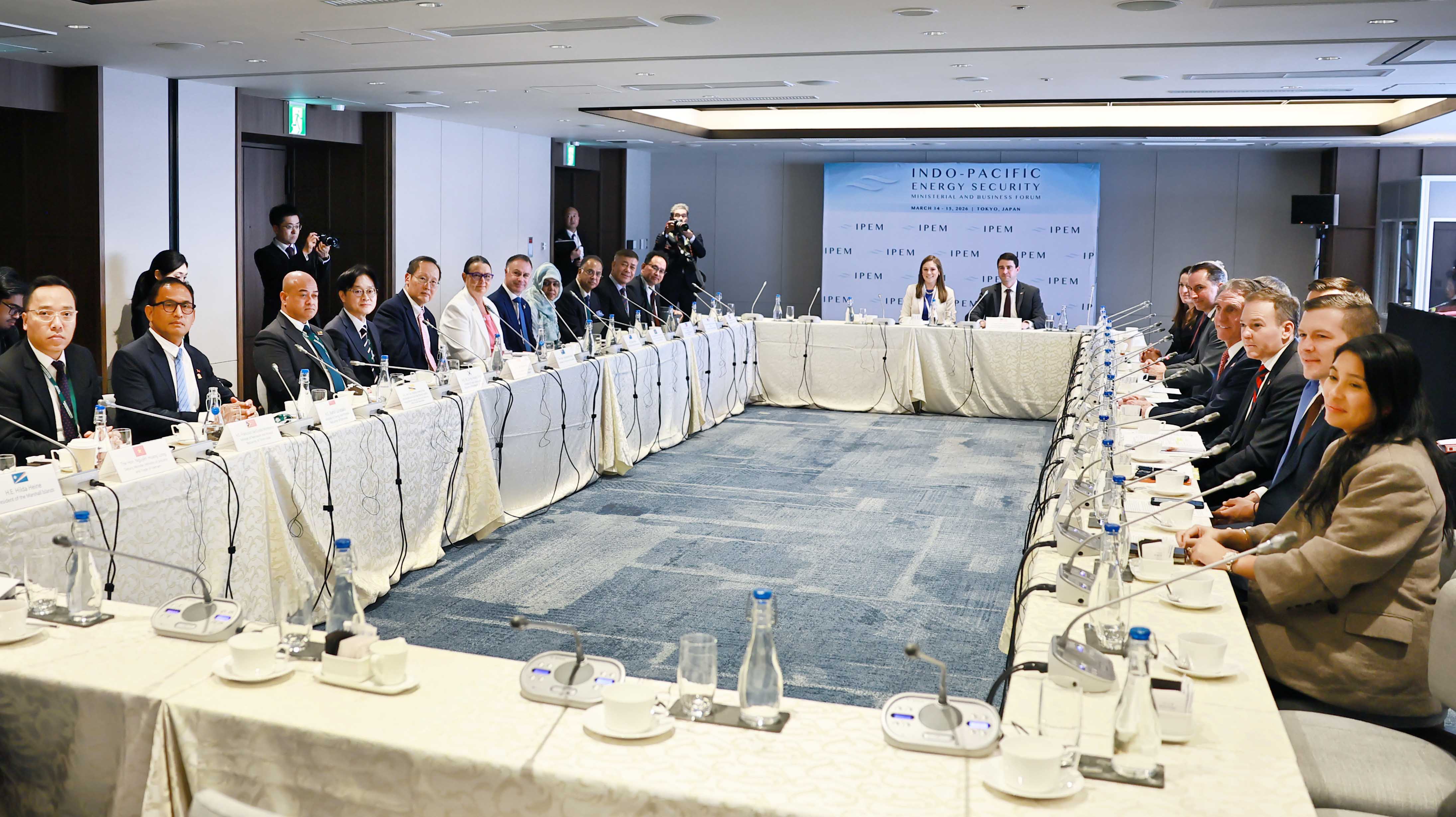
Minister JK (Jung-Kwan) Kim of the Ministry of Trade, Industry and Resources (MOTIR) attended the Indo-Pacific Energy Security Ministerial and Business Forum in Tokyo, Japan, on March 15, 2026. The event brought together senior government officials from 17 major Indo-Pacific countries—including the United States, Australia, Vietnam, and New Zealand—as well as business leaders from the energy, infrastructure, industry, and finance sectors. At the forum, participants discussed ways to strengthen energy security across the Indo-Pacific, with a focus on ensuring reliable and affordable energy supply, securing energy supply chains and infrastructure, and expanding trade and investment cooperation. In a joint statement, ministers also affirmed their shared determination to work collectively to promote a stable and secure energy supply in the region. date2026-03-17
-
FTA/Economic Cooperation
Korea–Japan Industry and Trade Ministers’ Meeting
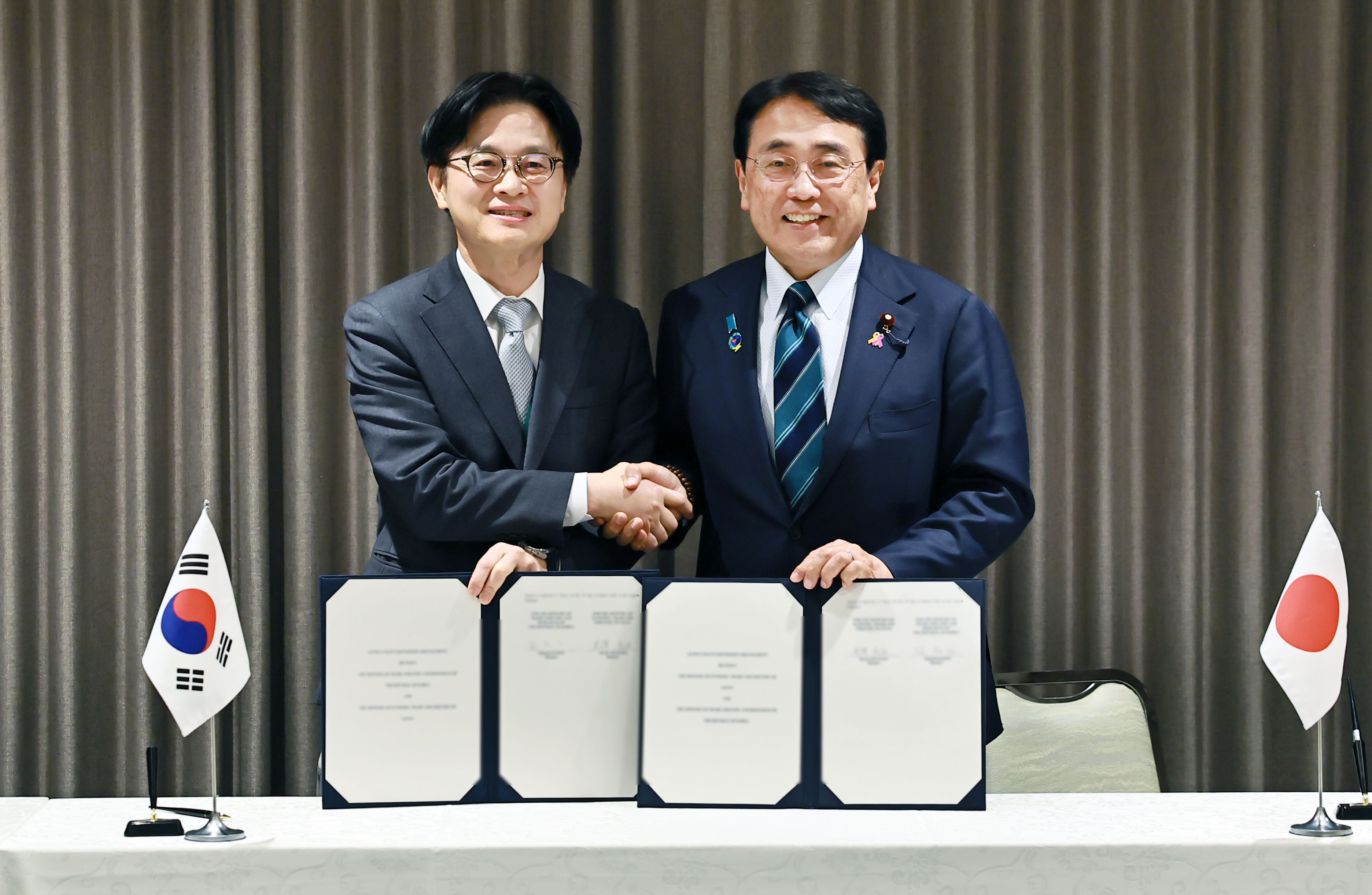
Minister JK (Jung-Kwan) Kim of the Ministry of Trade, Industry and Resources (MOTIR) met with Akazawa Ryosei, Japan’s Minister of Economy, Trade and Industry (METI), in Tokyo on March 14, 2026, on the sidelines of the inaugural Indo-Pacific Energy Security Ministerial. Ahead of the meeting, the two sides signed the Korea–Japan Supply Chain Partnership Arrangement (SCPA) to strengthen cooperation on supply chain disruption response and industrial collaboration, and discussed key bilateral agendas across industry and trade. They also agreed to launch the Korea–Japan Industrial and Trade Policy Dialogue, a regular consultative channel between MOTIR and METI, and shared the view that closer coordination is needed to help stabilize LNG supply. Minister Kim said, “As uncertainty grows amid shifts in the global trade environment, instability in energy and resource markets, and supply chain risks, Korea and Japan, as like-minded partners, have remained in close coordination. Building on 60 years of normalized diplomatic relations, the two countries will continue to advance forward-looking and mutually beneficial industrial and trade cooperation.” date2026-03-17
-
FTA/Economic Cooperation
Korea–India Trade Ministers’ Meeting
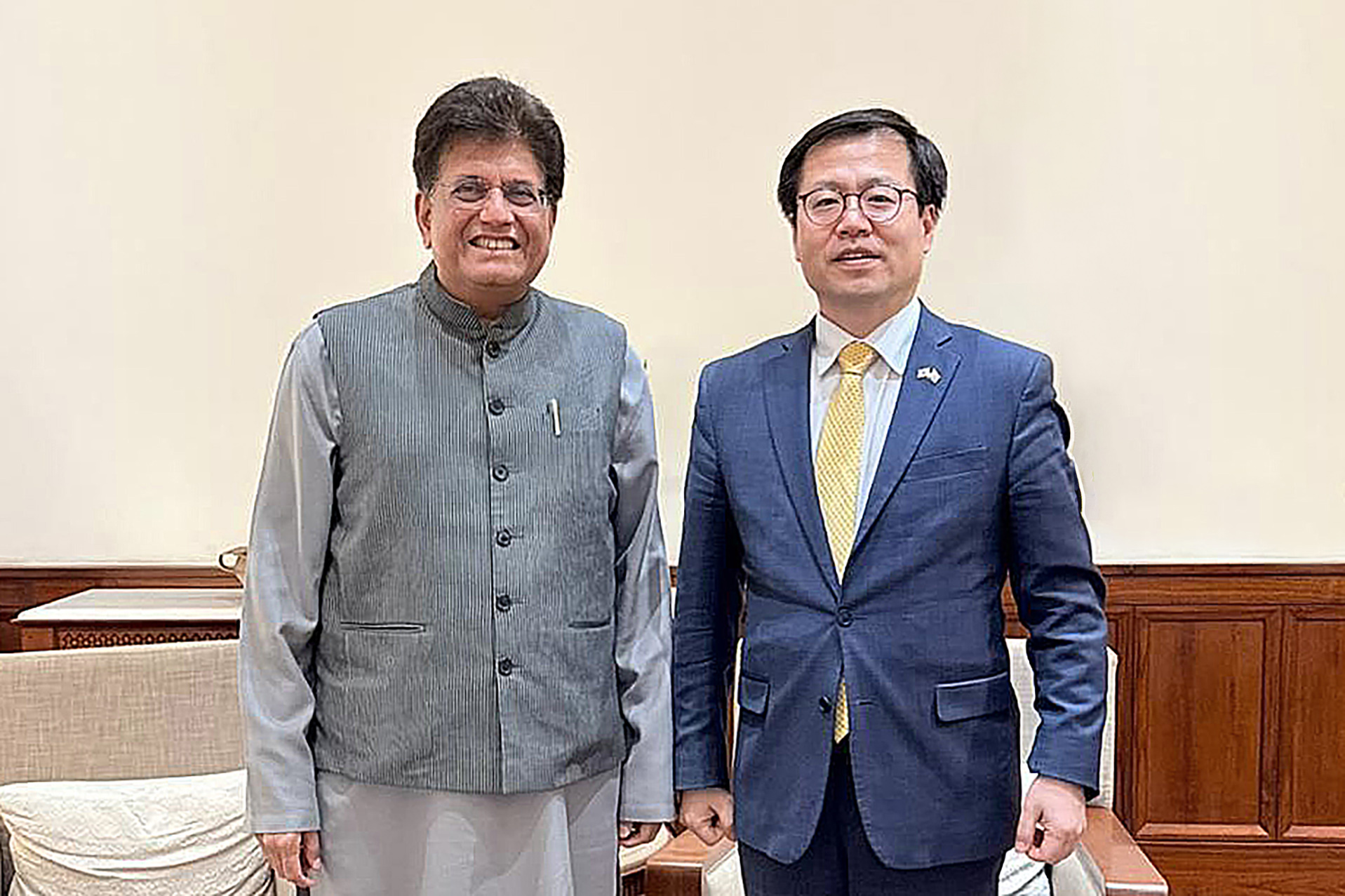
Trade Minister Yeo Han-koo of the Ministry of Trade, Industry and Resources (MOTIR, Minister JK Kim) held the Korea–India Trade Ministers’ Meeting with Piyush Goyal, India’s Minister of Commerce and Industry, in New Delhi, India, on March 13, 2026, with government delegations from both countries in attendance. After delivering opening remarks, the two sides welcomed the growing depth of bilateral economic ties and held in-depth talks on resuming and accelerating negotiations to upgrade the Korea–India CEPA. Trade Minister Yeo also stressed the importance of closer economic cooperation between the two countries as they seek to diversify markets and supply chains. date2026-03-16
-
FTA/Economic Cooperation
Roundtable with Indian IT and AI Companies
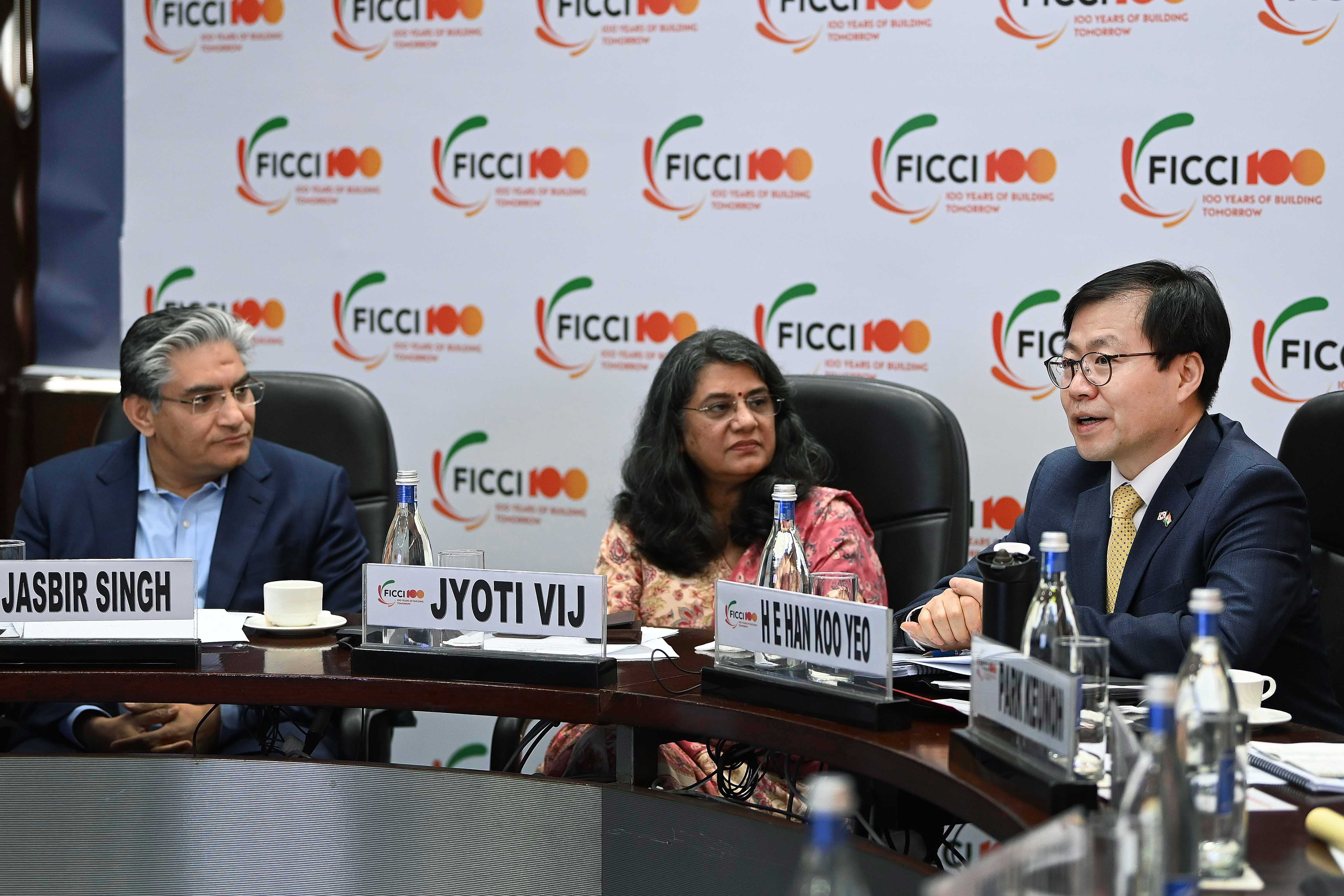
Trade Minister Yeo Han-koo of the Ministry of Trade, Industry and Resources (MOTIR, Minister JK Kim) chaired a roundtable with Indian IT and AI companies in New Delhi, India, on March 13, 2026, attended by representatives from the Federation of Indian Chambers of Commerce & Industry (FICCI) and other industry participants. He delivered opening remarks and discussed ways to strengthen Korea–India cooperation in AI and digital trade. The roundtable provided an opportunity for the two sides to exchange views on future cooperation in AI and digital trade and to explore ways to deepen bilateral cooperation in emerging technology sectors. date2026-03-16
-
FTA/Economic Cooperation
Meeting with NITI Aayog Vice Chairman
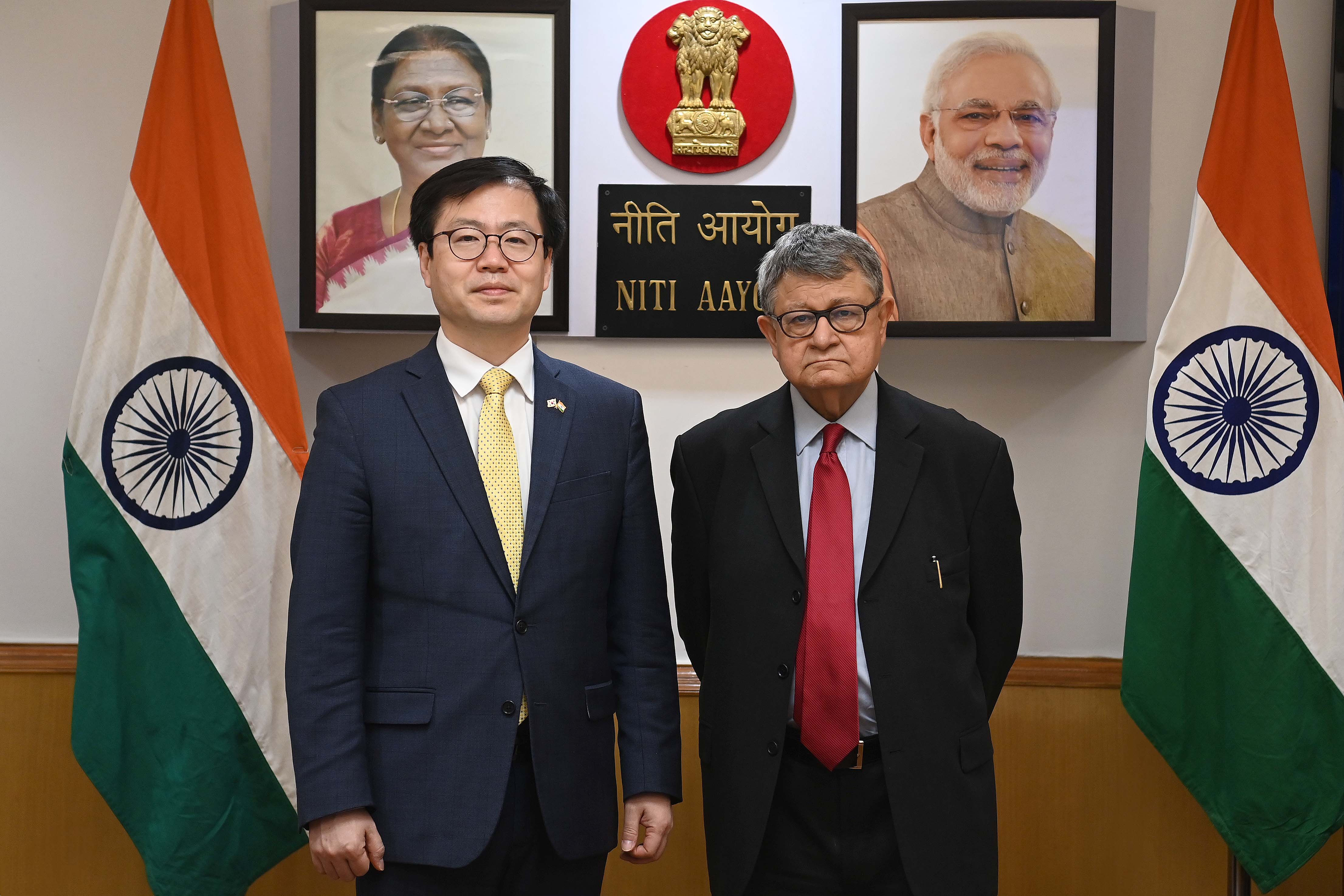
Trade Minister Yeo Han-koo of the Ministry of Trade, Industry and Resources (MOTIR, Minister JK Kim) met with Suman Bery, Vice Chairman of NITI Aayog, in New Delhi, India, on March 13, 2026, to discuss ways to deepen bilateral trade cooperation. During the meeting, the two sides exchanged views on economic cooperation between Korea and India, including efforts to diversify markets and supply chains. Trade Minister Yeo also called for active support from the Indian government to help address difficulties faced by Korean companies operating in the country. date2026-03-16