-
Industry
Trade Minister Reviews Export Operations for Korea’s Leading Electrical Equipment Industry
Korea’s exports topped USD 80.0 billion in both March and April 2026, marking new export milestones. In particular, Korean electrical equipment exports are expected to reach a record high in 2026 as global demand grows, driven by AI infrastructure expansion, green energy transition policies, and replacement demand for aging U.S. power grids. Marking the administration’s first anniversary, Minister for Trade Yeo Han-koo of the Ministry of Trade, Industry and Resources (MOTIR, Minister JK Kim) visited HD Hyundai Electric on May 29, 2026. During the visit, Minister Yeo reviewed the company’s export operations and met with the electrical equipment industry to hear directly from companies and discuss government support for expanding Korean electrical equipment exports. At the roundtable, participating companies asked MOTIR to help stabilize supply chains, including those for raw and subsidiary materials, and support continued business operations and exports amid global uncertainty. MOTIR will provide wide-ranging support to help Korean industries, including electrical equipment, sustain export growth. In 2026, the ministry will expand trade insurance to a record KRW 275.0 trillion, including KRW 114.0 trillion for SMEs and middle-market companies, to support balanced growth between large companies and smaller firms. MOTIR will also provide KRW 127.0 trillion over the next five years in financing, performance guarantees, and other support for medium- to long-term, large-scale projects in areas such as nuclear power, defense, and electrical equipment. For electrical equipment, MOTIR will help Korean companies win energy infrastructure projects worldwide by identifying opportunities, matching companies with projects, and arranging early financing as demand rises from AI data centers and other sources. “Even amid global uncertainty, Korea’s electrical equipment industry continues to lead global markets with highly competitive technologies,” Minister Yeo said. “The government will expand trade finance and utilize trade channels with major economies to help Korean companies expand their global reach.” Minister Yeo also met with local Ulsan companies, including Hanjoo Light Metal, INPRO E&C, LIHAON, Colorant Corea, Yetgan, ECOCAB, and Rinno Aluminum, at a working lunch to hear their business concerns. He highlighted that the government will continue supporting local and small businesses as they take their first steps into export markets and provide sustained support for promising SMEs to become key contributors to Korea’s exports. date2026-05-29
-
Industry
Third General Meeting of the AI Home Appliance M.AX Alliance
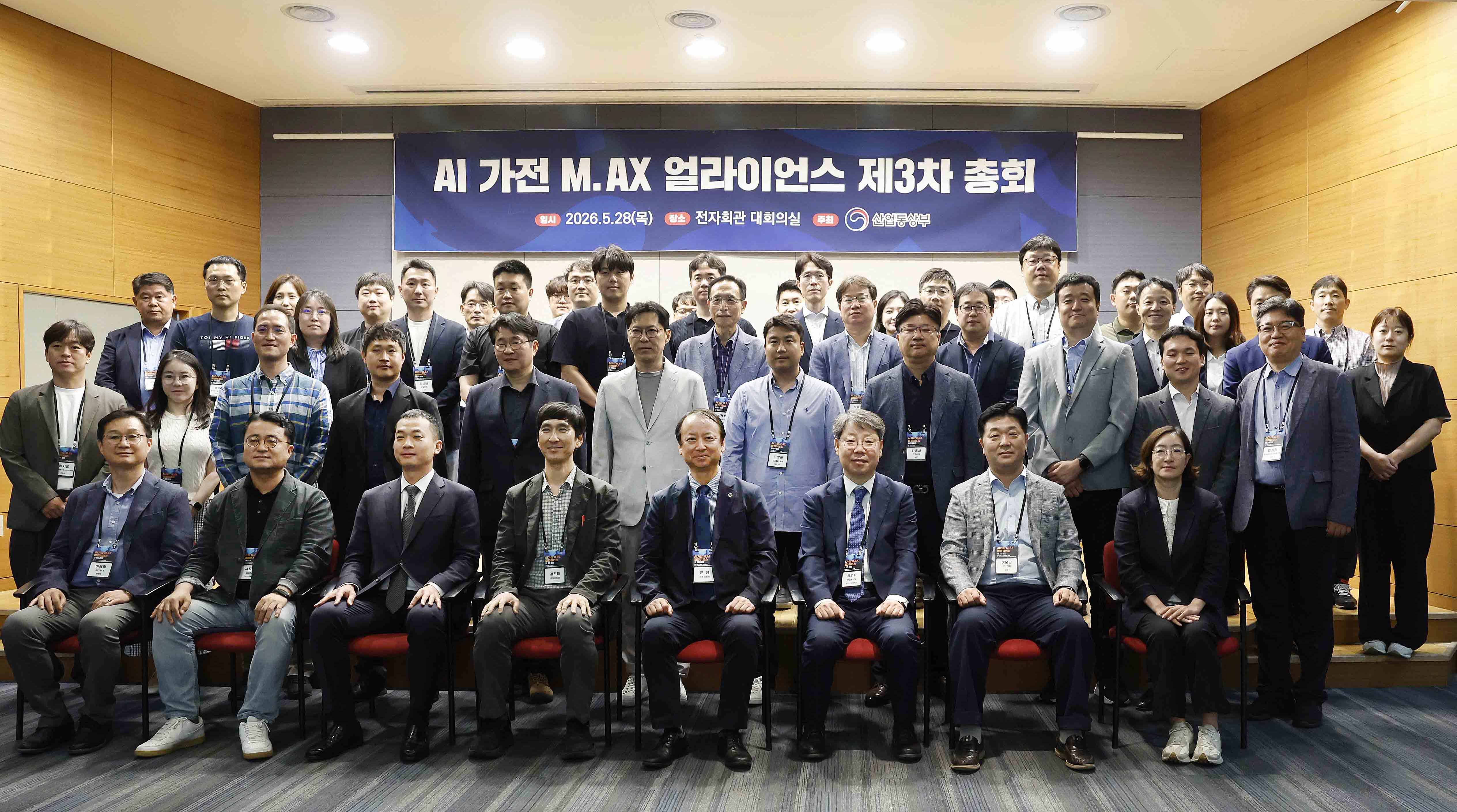
Choi Woo-hyuk, Director General for High Technology Industry at the Ministry of Trade, Industry and Resources (MOTIR), attended the third general meeting of the AI Home Appliance M.AX Alliance at Electronics Hall in Mapo-gu, Seoul, on May 28, 2026. The meeting brought together about 80 participants from home appliance, component, and AI companies, including Samsung Electronics, LG Electronics, and Coway, as well as universities and specialized institutions. Director General Choi said AI transformation across the manufacturing ecosystem is essential for staying competitive and that MOTIR will support the home appliance industry in advancing product intelligence and AI-based manufacturing transformation together. date2026-05-29
-
Industry
K-Home Appliance Industry to Tackle Challenges with M.AX
The Ministry of Trade, Industry and Resources (MOTIR, Minister JK Kim) held the third general meeting of the Home Appliance M.AX Alliance at Electronics Hall on May 28, 2026. The meeting brought together Choi Woo-hyuk, MOTIR’s Director General for High Technology Industry, and about 80 representatives from Alliance companies and institutions. Launched in September 2025 to help transform Korea’s manufacturing ecosystem, the M.AX Alliance is changing industrial sites across the country. Since its launch with 10 divisions, the Alliance added the Industrial Complex AX Division in February 2026 and has grown into an industry-academia-research network of more than 1,500 companies and institutions across 11 divisions. AI adoption through the Alliance is helping raise manufacturing productivity by shortening production times and improving quality, while also supporting the development of technologies and components for AX products, including robotic hands. The Home Appliance M.AX Alliance has also maintained close communication with participating companies and institutions, focusing on innovative AI products and AI home appliance standards to strengthen the global competitiveness of Korea’s home appliance industry. As supply chain uncertainty grows amid the Middle East conflict and global competitors are closing the gap quickly, the industry faces an increasingly difficult operating environment. The government and industry plan to use the Alliance as a platform to advance AI-based manufacturing transformation, product innovation, and standard-setting. At the meeting, MOTIR announced three major tasks under Home Appliance M.AX to use AI to significantly improve productivity and strengthen innovation across Korea’s home appliance industry. The first task is to develop manufacturing AI models tailored to the specific needs of home appliance production sites. As consumer preferences become more diverse, mixed-model production, where multiple products are produced on a single line, has become essential. MOTIR will develop AI models that enable automated guided vehicles (AGVs), autonomous mobile robots (AMRs), and AI systems to manage production and logistics schedules in response to frequent line changes. Starting with key suppliers in major home appliance production hubs, including Gwangju and Changwon, the ministry will expand AI adoption across small and mid-sized home appliance companies. The goal is to help companies respond quickly and flexibly to orders for a wider range of products. The second task is to build training datasets and common development infrastructure to support the development of innovative AI home appliances. To systematically collect public AI training datasets that are difficult for individual companies to secure on their own, MOTIR will begin surveying Alliance participants in May 2026 and reflect their input in a roadmap for building these datasets. In the second half of 2026, the ministry will conduct a pilot collection of three types of AI training data, including food ingredient images and voice command corpora, before expanding the scope and scale of data collection from 2027 in line with industry and technology trends. MOTIR will also develop and supply common modules, including standard hardware and software development kits for AI home appliances, and open an AI home appliance life-cycle support center in Yongsan in July 2026. The center will support companies from product design to prototype production, helping ease the financial and technical burden on small and mid-sized companies. Third, to build trust in the AI home appliance market, the Korean Agency for Technology and Standards (KATS) will prepare draft Korean Industrial Standards (KS) by the end of 2026 on areas such as technology grades for AI home appliances and inter-device security. MOTIR will also identify relevant policy support measures and link them to these standards to protect co date2026-05-28
-
Industry
Korea Highlights Crisis Management and Growth Opportunities in First-Year Policy Review
On the first anniversary of the launch of the People’s Sovereignty Government, the Ministry of Trade, Industry and Resources (MOTIR, Minister JK Kim) reviewed its policy record over the past year and presented five key achievements. The past year was marked by overlapping crises. Global trade uncertainty and risks to energy and resource supplies from the Middle East weighed on the real economy; global oversupply put key industries, including petrochemicals, under pressure to restructure; and competition for global industrial leadership intensified around AI. MOTIR managed these risks closely while moving decisively to capture future growth opportunities. In November 2025, Korea concluded the Korea–U.S. tariff deal after months of sustained negotiations guided by a clear national-interest-first principle, reducing uncertainty for exporters. The agreement eased tariff burdens on key U.S.-bound exports, including automobiles and pharmaceuticals, and secured semiconductor treatment no less favorable than that of major competitors. Korea also laid the groundwork for strategic industry cooperation with the United States through the Korea–U.S. Strategic Investment MOU, Korea–U.S. shipbuilding cooperation under MASGA, and the Special Act on U.S.-Bound Investment. For the petrochemical industry, MOTIR moved early to restructure the sector and prevent its difficulties from spreading to regional economies. The ministry approved the first restructuring project between HD Hyundai Chemical and Lotte Chemical in Daesan and backed its implementation with more than KRW 2.1 trillion in financing, tax incentives, and regulatory streamlining. The Special Act on Strengthening and Supporting the Competitiveness of the Petrochemical Industry also created a legal basis for restructuring and a shift toward higher-value products. Following the outbreak of the war in the Middle East, the government and industry activated a coordinated public-private response to stabilize supplies of crude oil, naphtha, and other key materials, minimizing disruption to the real economy and people’s daily lives. By May 2026, Korea had secured crude oil and naphtha imports at around 90 percent of the 2025 level, reduced the share of Middle Eastern crude in total crude imports from 70 percent to around 50 percent, and helped restore petrochemical operating rates to about 75 percent. Despite trade and Middle East-related risks, Korea stepped up export support, with exports reaching a record USD 709.3 billion in 2025. Korea became the sixth country in the world to surpass $700 billion in annual exports. Exports have remained on an upward path in 2026, reaching a record $306.5 billion through April, up 40.9 percent year-on-year, putting Korea’s first entry into the world’s top five exporters increasingly within reach. Korea also broadened its export base through emerging-market diversification, growth in K-consumer goods exports, win-win trade finance, preferential loans for exporters, and the launch of K-Export Star 500. Foreign direct investment reached a record $36.1 billion in 2025. Finally, MOTIR began accelerating AI transformation in manufacturing. The ministry launched the Manufacturing AI Transformation (M.AX) Alliance to drive change across Korea’s manufacturing ecosystem. Within about eight months, participation grew to around 1,500 companies and institutions. In 2026, MOTIR will promote 100 new AI factories by applying AI to manufacturing processes in 12 key industries, including semiconductors and shipbuilding, and plans to deploy more than 200 by year-end. The ministry is also expanding AX across processes, products, and regions by operating the Industrial Complex AX Division, linking 10 AX demonstration industrial complexes with regional universities, and developing technologies and core components for AX products such as autonomous vehicles and humanoids. date2026-05-28
-
Industry
Roundtable with Shipbuilding Equipment Suppliers and Small and Medium-Sized Shipbuilders
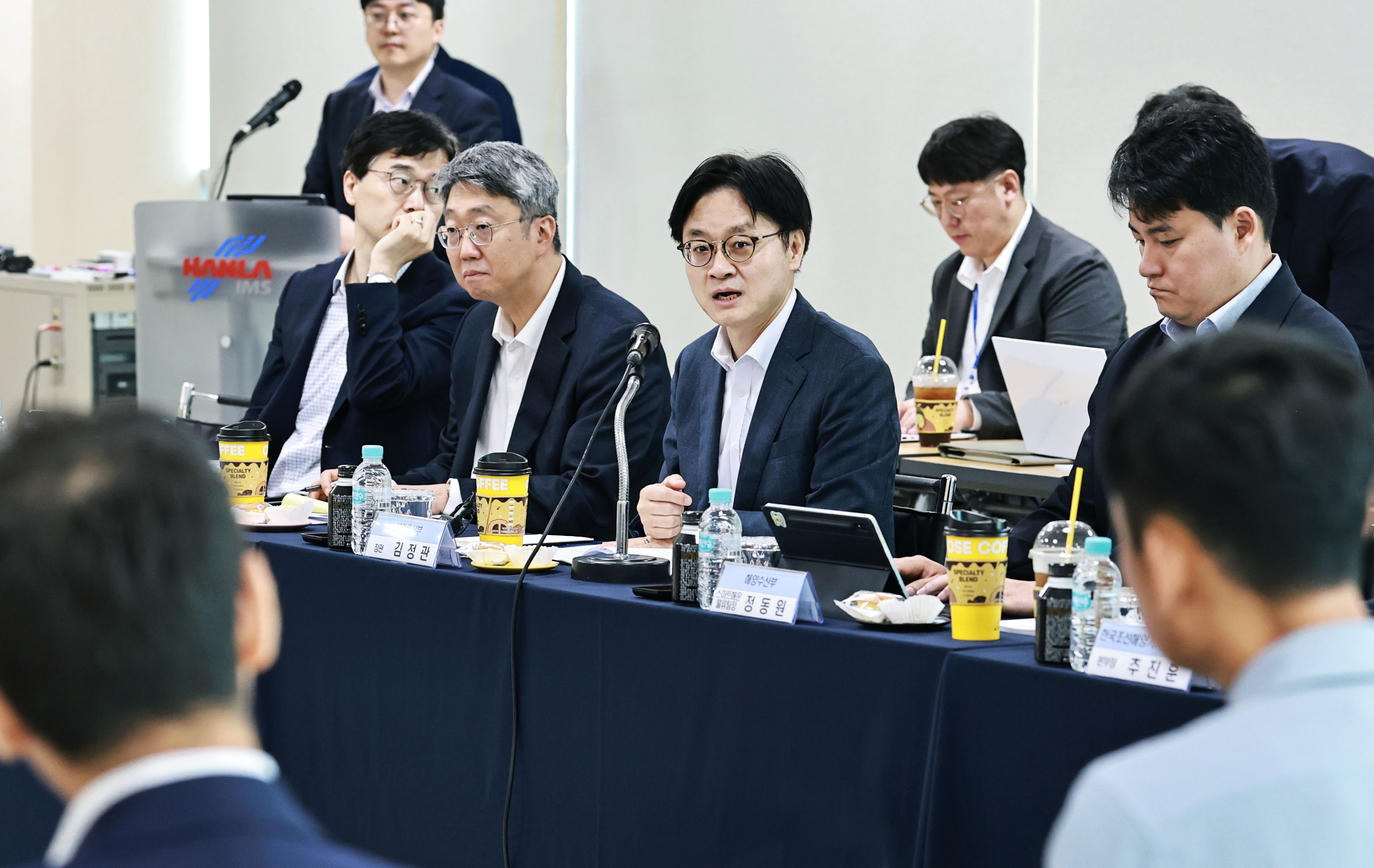
Minister JK (Jung-Kwan) Kim of the Ministry of Trade, Industry and Resources (MOTIR) chaired a roundtable with shipbuilding equipment suppliers and small and medium-sized shipbuilders at Hanla IMS in Busan on May 27, 2026. Minister Kim delivered opening remarks and listened to industry challenges and policy suggestions. Participants included Kim Young-gu, CEO of Hanla IMS; Lee Min-geol, CEO of PANASIA; Kim Dong-geon, CEO of DongHwa Entec; Yoo Sang-cheol, CEO of HJ Shipbuilding & Construction; Youn Seog-Bong, CEO of Woori Marine; Lee Young-il, CEO of DTEC; and Choo Jin-hun, head of division at the Korea Marine Equipment Research Institute (KOMERI), along with representatives from shipbuilding equipment suppliers, small and medium-sized shipbuilders, and related institutions. Minister Kim said shipbuilding equipment suppliers and small and medium-sized shipbuilders form the foundation of the K-shipbuilding supply chain and are critical to Korea’s maritime security, adding that MOTIR will respond swiftly to on-the-ground needs, including equipment demonstrations, super-gap technology development, and order opportunities. date2026-05-27
-
Industry
Minister Kim Visits Hanla IMS
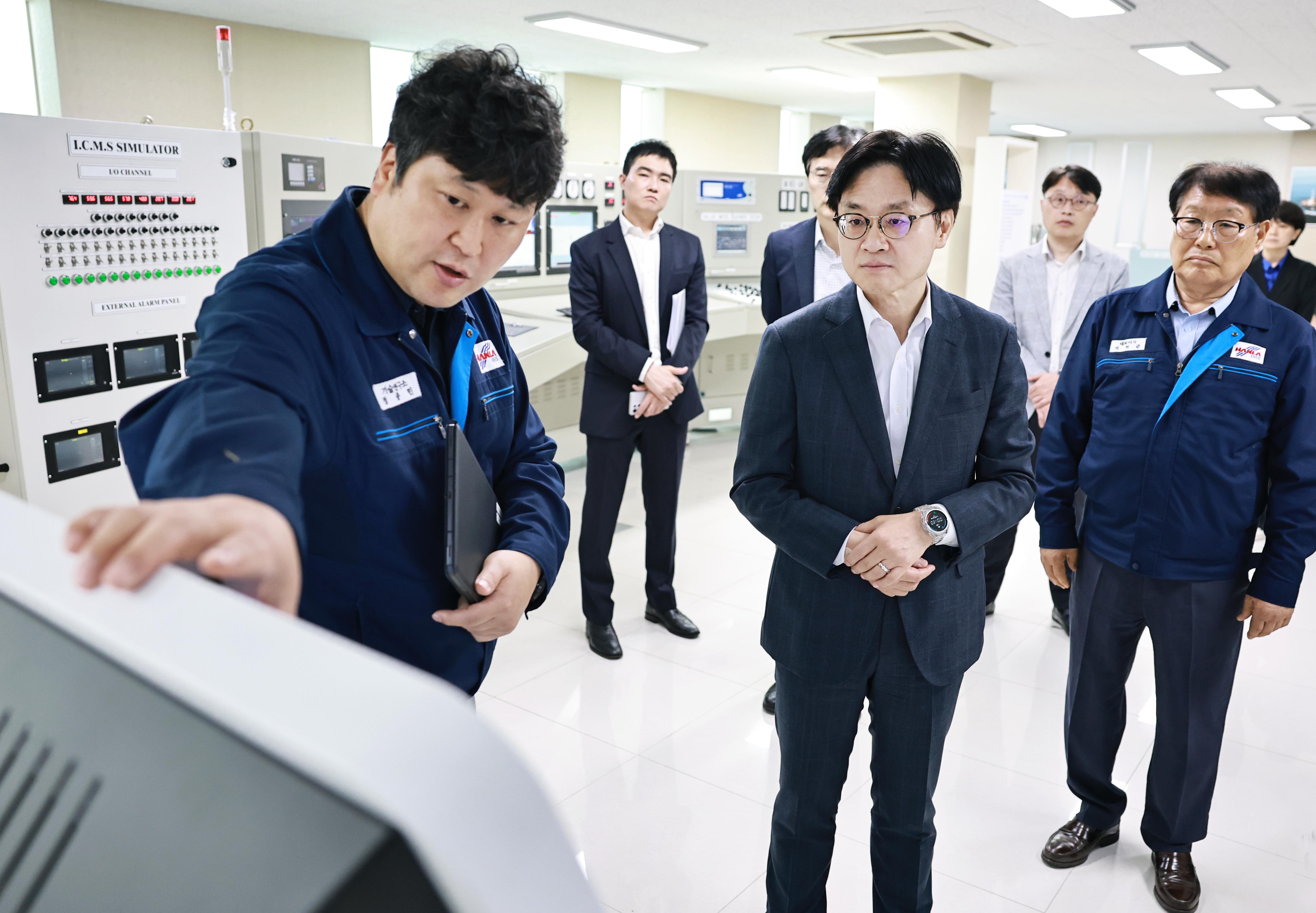
Minister JK (Jung-Kwan) Kim of the Ministry of Trade, Industry and Resources (MOTIR) visited Hanla IMS, a shipbuilding equipment company in Busan, on May 27, 2026. During the visit, Minister Kim received a briefing from company officials on its operations and on-the-ground challenges. Minister Kim toured the company’s manufacturing and R&D facilities and reviewed progress on its intelligent integrated system for autonomous maintenance. He also inspected the development site for core equipment technologies designed for the era of AI-enabled autonomous ships. date2026-05-27
-
FTA/Economic Cooperation
Opening Ceremony for Korea–India CEPA Upgrade Negotiations
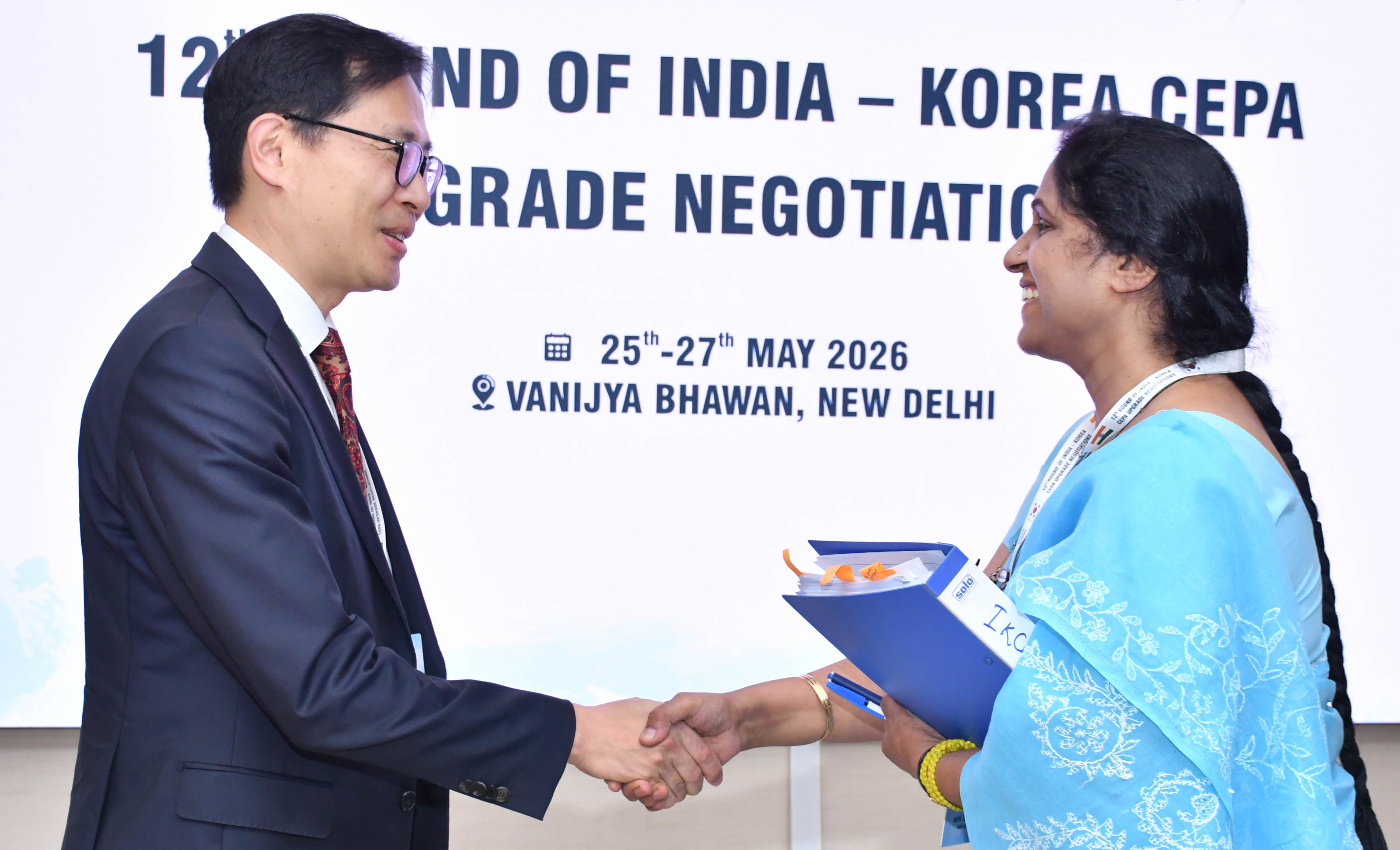
Park Geun-oh, Director General for Trade Agreement Policy at the Ministry of Trade, Industry and Resources (MOTIR, Minister JK Kim), attended the opening ceremony for the Korea–India Comprehensive Economic Partnership Agreement (CEPA) upgrade negotiations in New Delhi, India, on May 25, 2026. After delivering opening remarks, participants began negotiations in seven areas, including goods, services, rules of origin, and emerging trade rules. The ceremony was attended by government delegations from both countries, including Kapil Chaudhary, Joint Secretary at India’s Department of Commerce. Director General Park said Korea will work to modernize the CEPA so it helps create a more business-friendly trade environment for Korean companies operating in India and covers emerging trade issues, including digital trade and supply chain cooperation. date2026-05-27
-
FTA/Economic Cooperation
Meeting with Viet Nam’s Deputy Minister of Industry and Trade Nguyen Sinh Nhat Tan
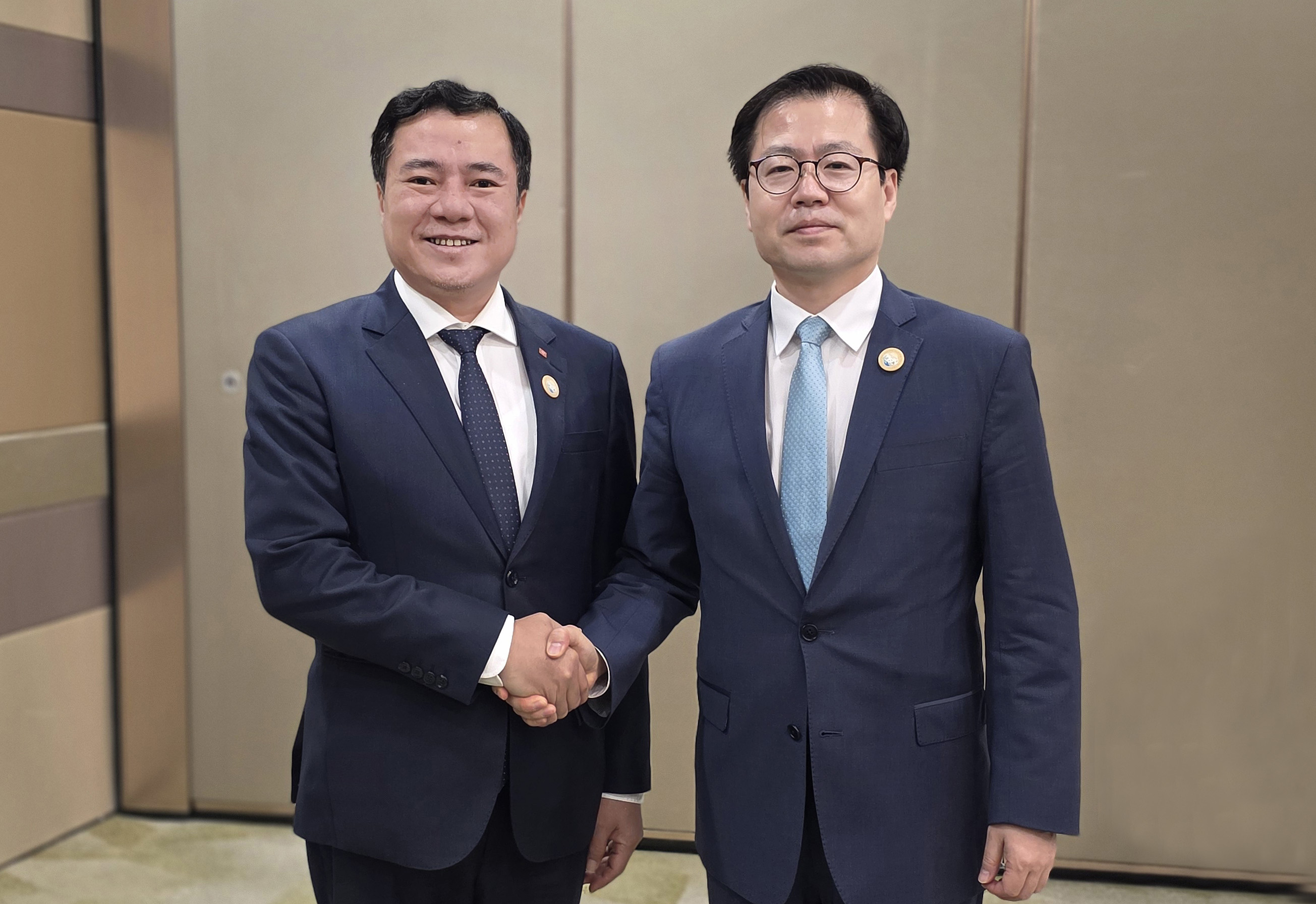
Minister for Trade Yeo Han-koo of the Ministry of Trade, Industry and Resources (MOTIR, Minister JK Kim) met with Viet Nam’s Deputy Minister of Industry and Trade Nguyen Sinh Nhat Tan in Suzhou, China, on May 23, 2026, on the sidelines of the Asia-Pacific Economic Cooperation (APEC) Ministers Responsible for Trade Meeting. The two sides discussed key trade issues, including Korea–Viet Nam trade and investment cooperation and supply chain issues. They also discussed expanding bilateral trade by implementing the Action Plan to Achieve USD 150 Billion in Trade and continuing multilateral cooperation with Viet Nam. date2026-05-27
-
FTA/Economic Cooperation
Visit to Chinese Autonomous Driving Company Momenta
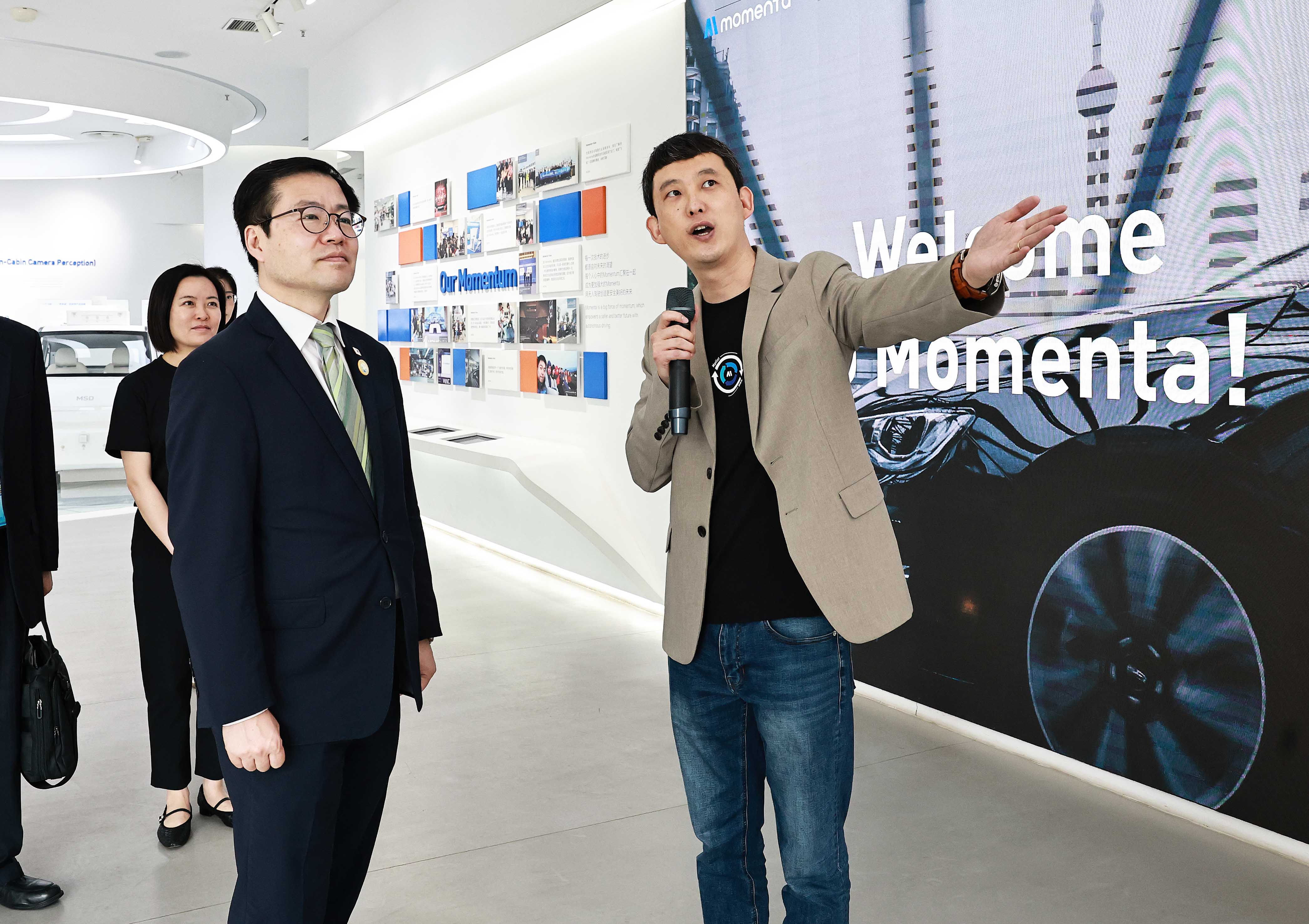
Minister for Trade Yeo Han-koo of the Ministry of Trade, Industry and Resources (MOTIR, Minister JK Kim) visited Momenta, a Chinese autonomous driving technology company, in Suzhou, China, on May 21, 2026, on the sidelines of the Asia-Pacific Economic Cooperation (APEC) Ministers Responsible for Trade Meeting. Minister Yeo received a briefing on the company’s operations from Momenta officials and toured its autonomous vehicle site. date2026-05-27
-
FTA/Economic Cooperation
Digital Economy Partnership Agreement (DEPA) Ministers’ Meeting
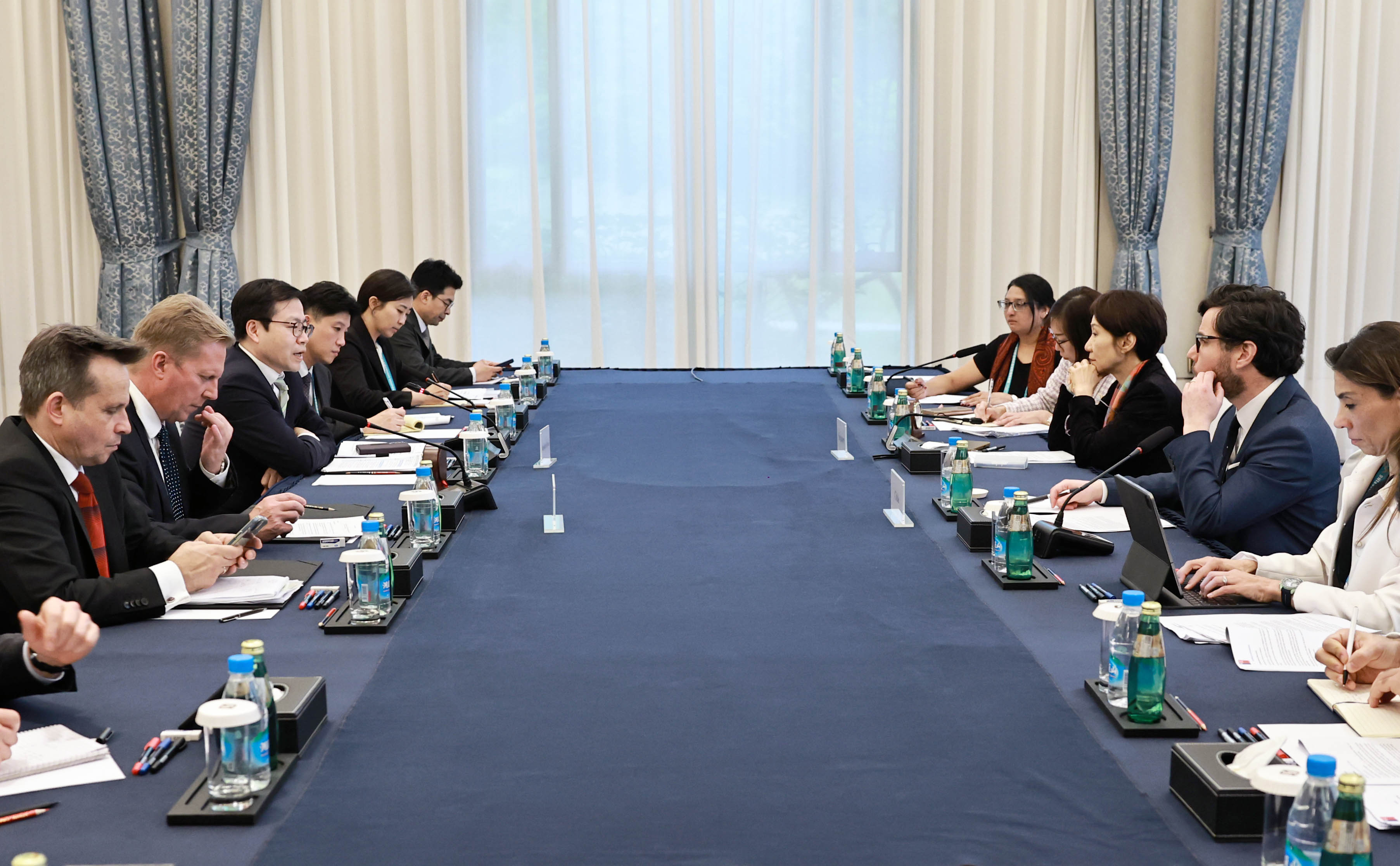
Minister for Trade Yeo Han-koo of the Ministry of Trade, Industry and Resources (MOTIR, Minister JK Kim) attended the Digital Economy Partnership Agreement (DEPA) Ministers’ Meeting in Suzhou, China, on May 21, 2026, on the sidelines of the Asia-Pacific Economic Cooperation (APEC) Ministers Responsible for Trade Meeting. The meeting brought together trade ministers from DEPA members, including New Zealand, Singapore, and Chile. Participants discussed key agenda items for the DEPA and reviewed the domestic procedures underway in Peru and Costa Rica, whose accession negotiations concluded in 2025. date2026-05-27